Executive Level Interview Strategies
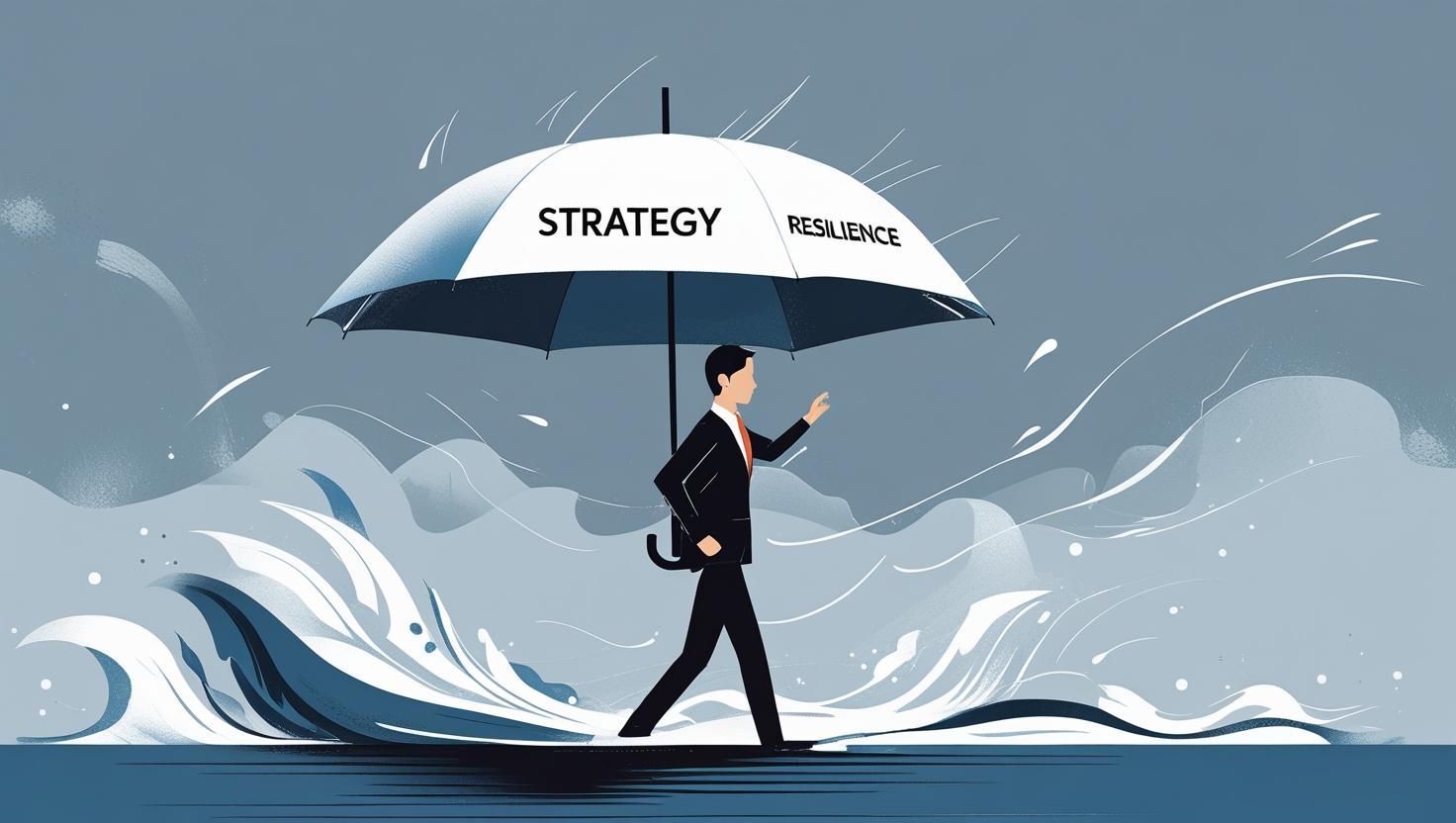
Executive interviews demand a fundamentally different approach than standard job interviews—they assess strategic vision, leadership philosophy, and cultural alignment at the highest levels. The most successful candidates don't just answer questions; they engage C-suite interviewers in meaningful dialogue about the organization's future, demonstrating how their leadership will create tangible value while navigating complex business challenges. Mastering executive interviews requires understanding the unspoken expectations of board members and senior leaders, positioning yourself as a strategic partner rather than just another candidate.
Why Mid-Level Strategies Fail at Executive Interviews
Common missteps by executive candidates:
- Focus on operational details rather than strategic vision
- Discussing past achievements without connecting to future impact
- Not demonstrating understanding of board-level concerns
- Being overly tactical rather than big-picture oriented
- Failing to address cultural integration at the leadership level
The Executive Interview Framework
1. Strategic Research Protocol
Go beyond basic company research:
- Analyze earnings calls, investor presentations, and shareholder letters
- Research board composition and individual member backgrounds
- Understand industry disruption threats and competitive landscape
- Identify the company's strategic inflection points
- Prepare 2-3 strategic recommendations relevant to current challenges
"Before interviewing for a CFO role at a Fortune 500 company, I analysed their last 3 earnings calls, noting recurring investor concerns about supply chain resilience. I prepared a 1-page strategic memo with concrete recommendations for mitigating supply chain risks, which became the centerpiece of my final interview discussion with the CEO and board members."
2. The Leadership Narrative Strategy
Frame your experience as a strategic leadership journey:
- Connect past achievements to future strategic impact
- Demonstrate evolution in leadership philosophy and approach
- Highlight experience navigating industry disruption and change
- Show how you've developed other leaders and built high-performing teams
- Explain how your leadership style aligns with the company's culture
3. Board-Level Question Response Framework
Structure answers for executive audiences:
- Strategic Context: "This connects to the broader challenge of..."
- Leadership Philosophy: "My approach to this has evolved to..."
- Business Impact: "In my previous role, this resulted in..."
- Forward-Looking: "For your organization, I'd recommend..."
- Cultural Integration: "This aligns with your values of X by..."
4. The Executive Dialogue Approach
Transform the interview from Q&A to strategic conversation:
- Ask insightful questions that demonstrate strategic understanding
- Reference previous interviewers' comments to show continuity
- Share thoughtful observations about industry trends affecting the company
- Present well-considered recommendations for strategic challenges
- Engage in genuine dialogue rather than delivering rehearsed answers
Executive Interview Pro Tips:
- Prepare a 1-page strategic memo with your recommendations for the role
- Bring examples of board presentations you've delivered
- Focus on how you'll create shareholder value, not just operational improvements
- Demonstrate understanding of the CEO's and board's key concerns
- Be prepared to discuss succession planning and leadership development
Role-Specific Executive Strategies
CEO & President Roles
"For CEO roles, focus on strategic vision, stakeholder management, and creating sustainable competitive advantage. Discuss how you'll navigate industry disruption, build organisational culture, and balance short-term performance with long-term growth. Be prepared to discuss board relations and how you'll work with the chairperson."
CFO Positions
"For CFO roles, emphasize capital allocation strategy, risk management, and investor relations alongside financial acumen. Discuss how you'll partner with the CEO on strategic decisions, manage investor expectations during challenging times, and drive value through financial innovation. Be prepared to discuss ESG reporting and sustainability metrics."
Chief Technology Officer
"For CTO roles, focus on technology strategy aligned with business goals, innovation management, and digital transformation. Discuss how you'll balance technical debt with innovation, manage cybersecurity risks, and leverage emerging technologies for competitive advantage. Be prepared to discuss your approach to talent acquisition and retention in competitive tech markets."
Chief Marketing Officer
"For CMO roles, emphasize brand strategy, customer experience, and marketing ROI. Discuss how you'll navigate the shift to privacy-focused marketing, leverage data for personalization, and measure marketing's contribution to business outcomes. Be prepared to discuss your approach to managing agency relationships and building marketing technology stacks."
Executive Interview Question Response Guide
| Question | Weak Response | Strategic Response |
|---|---|---|
| "How would you approach our biggest strategic challenge?" | "I'd focus on improving sales" | "Based on my analysis of your recent earnings call and competitive landscape, your biggest challenge appears to be maintaining market share while navigating supply chain constraints. I'd approach this through a three-pronged strategy: 1) diversifying suppliers in near-shore locations, 2) implementing predictive analytics for inventory optimization, and 3) developing customer loyalty programs to reduce churn during delivery delays." |
| "How do you handle disagreements with the board?" | "I always do what they say" | "I view board disagreements as opportunities to test and refine strategy. When I disagreed with my previous board about market expansion timing, I prepared data on market readiness and risk mitigation strategies. We had a constructive discussion that resulted in a phased approach that balanced growth with risk management, ultimately delivering 30% better results than the original plan." |
| "What would you change about our business?" | "Everything needs improvement" | "I've been impressed with your customer retention rates, which suggests strong product-market fit. One area I'd explore is optimizing your customer acquisition strategy to improve ROI. Based on industry benchmarks, there may be opportunities to leverage first-party data for more targeted acquisition while reducing reliance on third-party channels in the current privacy landscape." |
What to Avoid
- ❌ Focusing on operational details rather than strategic vision
- ❌ Making promises you can't deliver or that contradict company values
- ❌ Being overly critical of current leadership without constructive alternatives
- ❌ Failing to demonstrate understanding of board-level concerns
- ❌ Not asking strategic questions that show deep business understanding
Ready to Supercharge Your Job Search?
Our free Job Search Toolkit includes customizable templates, tracker sheets, and outreach scripts to help you stay organised and effective.
Download Free Toolkit